Intake
Read the event and establish the damage. Map the territorial dependencies — suppliers, logistics, services, routes, warehouses, and client delivery — to identify what is affected.
48-hour activation
The event is live. Every hour of uncertainty extends downtime and compounds cost. We establish what is damaged, what is still moving, and where disruption is spreading across critical dependencies. Then we identify what can restart, what is blocking recovery, and where capital must move now.
For the emergency meeting:
We can be working within 48 hours of activation.
We support your crisis team with the right information at the right moment — turning a fast-moving disruption into a clear basis for the decisions that matter. The work is operational resilience under live conditions: business continuity, supply-chain and logistics workarounds, and infrastructure constraints the company cannot wait out.
The site itself — or access, power, suppliers, logistics or something else outside the fence.
Authority priorities often set the wait. We separate what you can move from what you must plan around.
Reroute, temporary capacity, repair or wait — sequenced so money shortens time-to-reactivation.
Activate the urgent service. Initial assessment within 48 hours of activation.
Emergency activationRead the event and establish the damage. Map the territorial dependencies — suppliers, logistics, services, routes, warehouses, and client delivery — to identify what is affected.
Read the event and establish the damage. Map the territorial dependencies — suppliers, logistics, services, routes, warehouses, and client delivery — to identify what is affected.
Rank dependencies by criticality and status. Align with government and public works priorities to find the real path to reactivation.
Set two recovery tracks — government and company — then define the actions that can restore operations fastest.
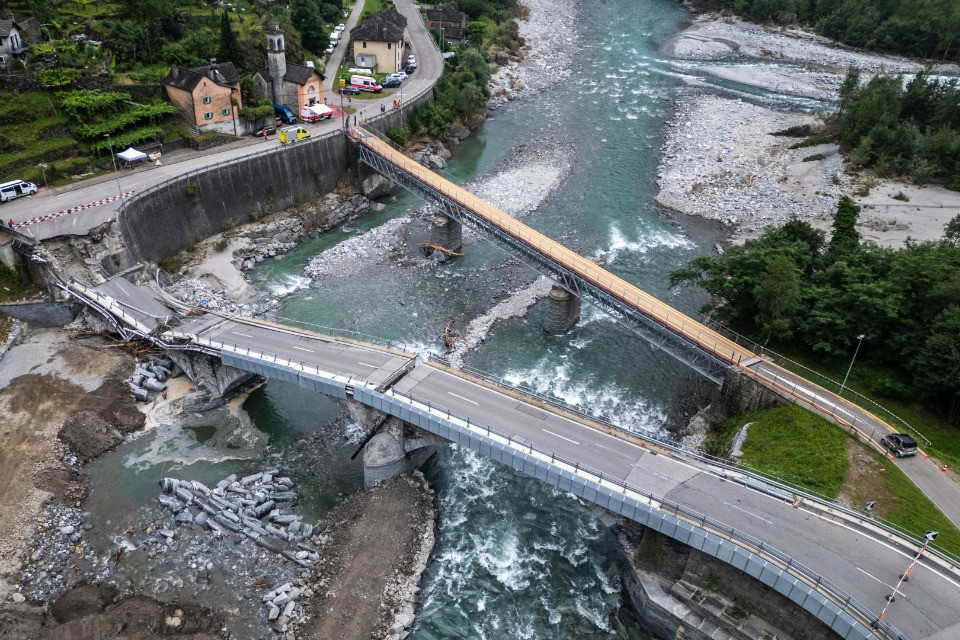
What you get
You get the expected restart window, the dependencies blocking recovery, and the actions to remove those constraints — including logistic decisions and capital deployment.
Every material delay sits on one of two tracks.
What the company cannot directly fix. Capital does not buy the road back; it buys the wait, the workaround, or the move.
What you can act on now: suppliers, logistics, temporary facilities, repair, rerouting. This is where capital compresses downtime.
Stabilise, temporary continuity or relocate — after the timeframes, not before.
Recover current operations when the critical constraints can be removed in time.
Alternative routes, warehouses or facilities so the operation does not wait on the site.
Temporary or permanent, when the site cannot carry continuity in time — same triggers and constraints, as a module.
On-site option
When remote intake is not enough, we can place a team on the ground to validate damage, access, utilities and the dependencies that still hold the operation.
Optional module. Activated with the response when local conditions require physical presence.
Discuss on-site deployment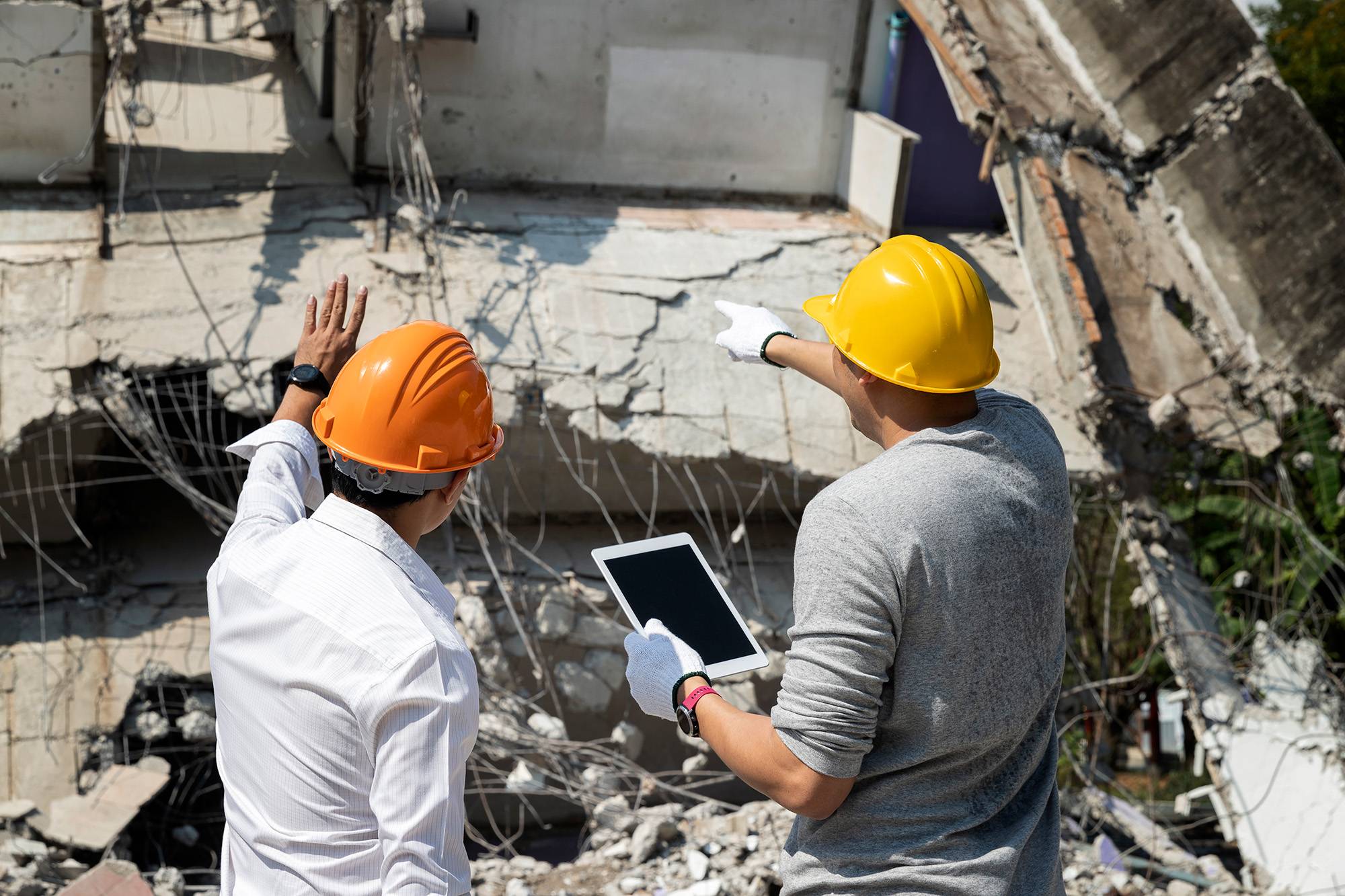
Facility, access or a critical dependency has just been affected.
The operation has stopped or is severely degraded, and the critical path is not yet visible.
Public recovery will take time, and capital must be sequenced now.
The next capital decision has to be taken now — not after a long study.
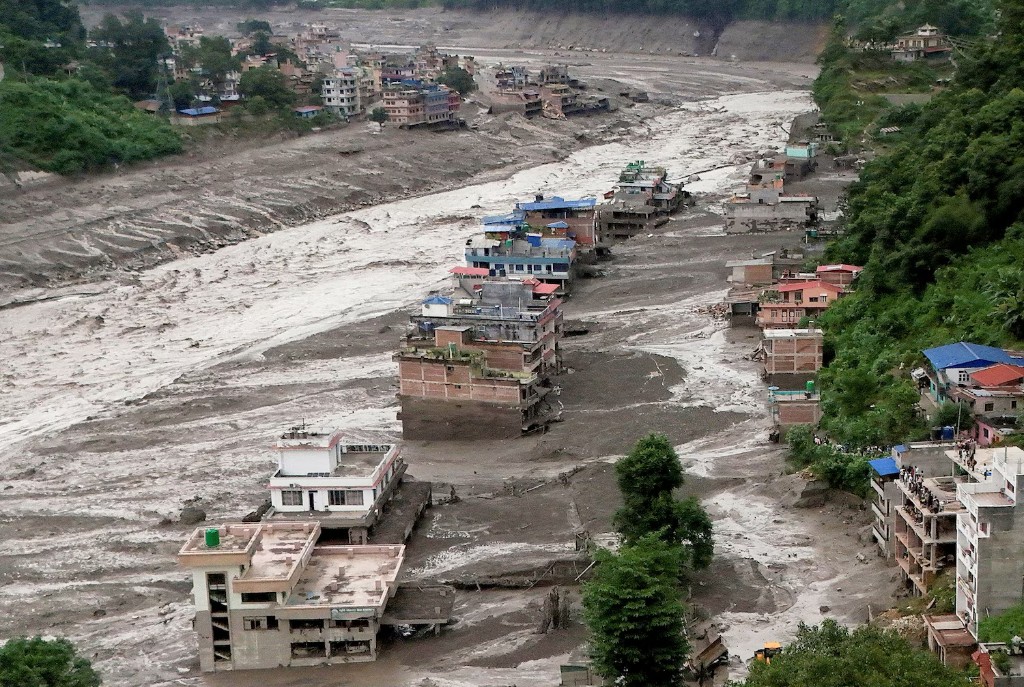
From the studies
A facility sat above the modelled flood extent. Production stopped anyway: the access road, the substation and the logistics operators were on the valley floor. That is the critical path this response is built to read.
Read the study