Picture
Read the disrupted territory: what is damaged, what still works, and how the area can function next. Sector impact across mobility, services, energy, finance, and social and cultural recovery.
After emergency works
We assist institutions on how the territory rebuilds — and how to do it at the right speed and cost. We map what has changed, what still works, and where disruption continues across sectors, then set recovery priorities, triggers, timeframes, and budgets so investment follows the fastest and most cost-efficient path to recovery.
For the reconstruction table:
When shaping the recovery, the question is not simply what to restore, but what to restore first, what to redesign, and where investment will unlock the most. We turn those choices into a sequenced recovery strategy based on cost, speed, and long-term value — reconstruction as territorial strategy, with a path toward territorial and regional development rather than a return to the previous map.
Not everything can recover at once, and not everything should return as it was. We connect what still works, temporary solutions and permanent reconstruction into one sequence — so time and capital go to the decisions that unlock the next.
Read the disrupted territory: what is damaged, what still works, and how the area can function next. Sector impact across mobility, services, energy, finance, and social and cultural recovery.
Identify the interventions that unlock the fastest recovery. Assess each affected element against its role in the recovery chain — relocate, expand, rebuild, or abandon — and determine which interventions unlock the greatest number of subsequent actions.
Build the recovery domino. Sequence interventions against expected timing and cost, defining what needs to happen first, what follows, and what each stage requires. Turn the recovery into a clear path from first intervention to full territorial recovery.
What you get
A single decision framework for the territory’s recovery. Every intervention is connected to its wider consequences, making priorities traceable, decisions easier to coordinate, and investment easier to sequence — from the first intervention through to the territory’s long-term reset.
Score each recovery intervention according to its territorial recovery impact and unlock potential. The resulting score establishes what goes first, what follows, and what can wait.

Every intervention is scored on a priority scale.
Highest recovery and unlock potential.
Significant territorial consequences.
Important to the wider recovery, but not an initial catalyst.
Useful for recovery, with limited cascading effect.
Limited impact on the wider territorial recovery.
From the same territorial picture, each element receives one reconstruction action.

Tag bridges, neighbourhoods, facilities and corridors by exposure, current condition and role in recovery. Not every element rebuilds — each gets one of five actions.
Every element is tagged with one of five actions.
Rebuild this link or neighbourhood now — it unlocks the rest of the area.
A military bridge or temporary facility can stay while permanent work waits.
Move the function to unaffected capacity, and build the permanent asset once.
Do not restore the old footprint. Let the town or industrial area grow where it can work.
Some areas should not return. Capital is better spent unlocking what still functions.
A shared direction creates the conditions for recovery to become a path towards lasting development. We help prioritise decisions that consider the social and economic impact of interventions, enabling people and businesses in affected areas to recover, adapt, and thrive under difficult circumstances.
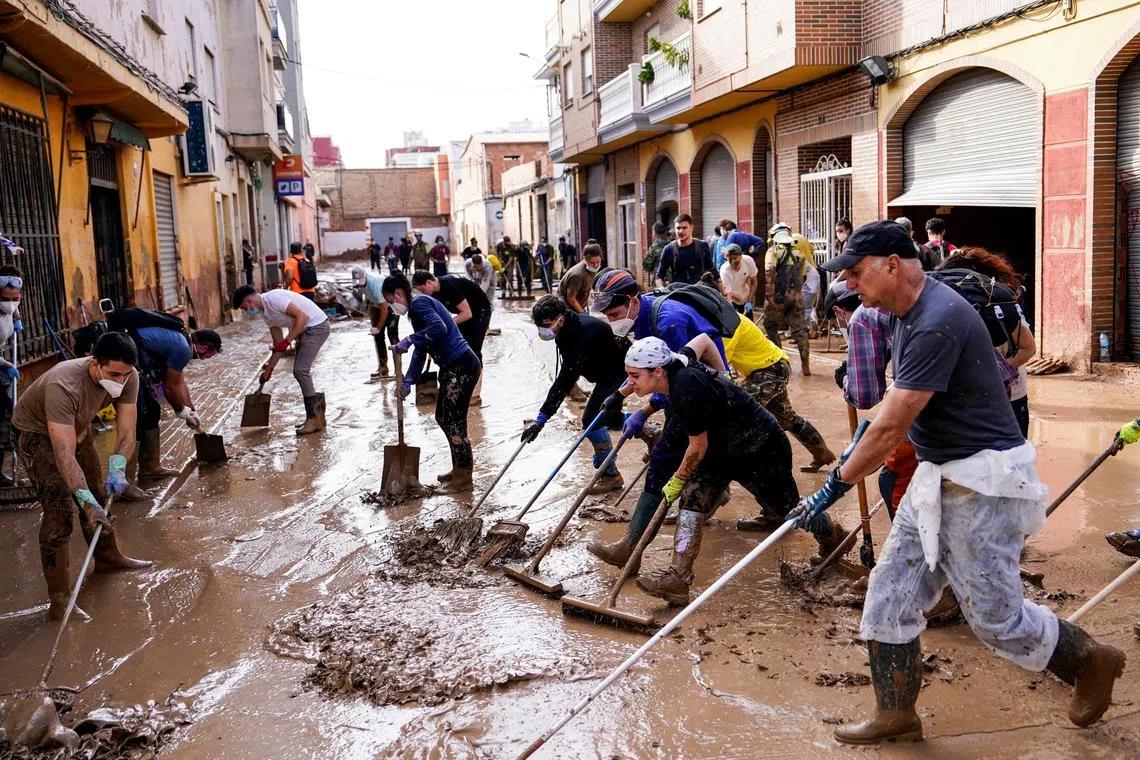
After a major disruption, every day counts. Our Strategic Territorial Recovery can considerably accelerate recovery and reactivation by focusing on what matters, when it matters.
Disruption changes how a territory functions. We help reassess its dependencies and needs to adapt recovery to the new reality.
Setting priorities is difficult when everything feels urgent. We help establish where efforts can have the greatest impact for a more efficient recovery.
The right intervention at the wrong time can delay recovery. We help structure intervention schedules to create the right sequence for faster and more coordinated development.
Recovery involves many actors, decisions and investments. We create a shared direction that aligns stakeholders around what needs to happen, when, and why.
Independent studies can help industrial groups, business holdings, and operators identify new territorial and industrial configurations and bring them to the table with authorities and public stakeholders. The result can go beyond recovery — turning reconstruction into a catalyst for regional development.
Recovery is deciding what the territory needs next — with a sequence and a budget order. The useful room is authorities and planning together with key operators or consortium leads.